
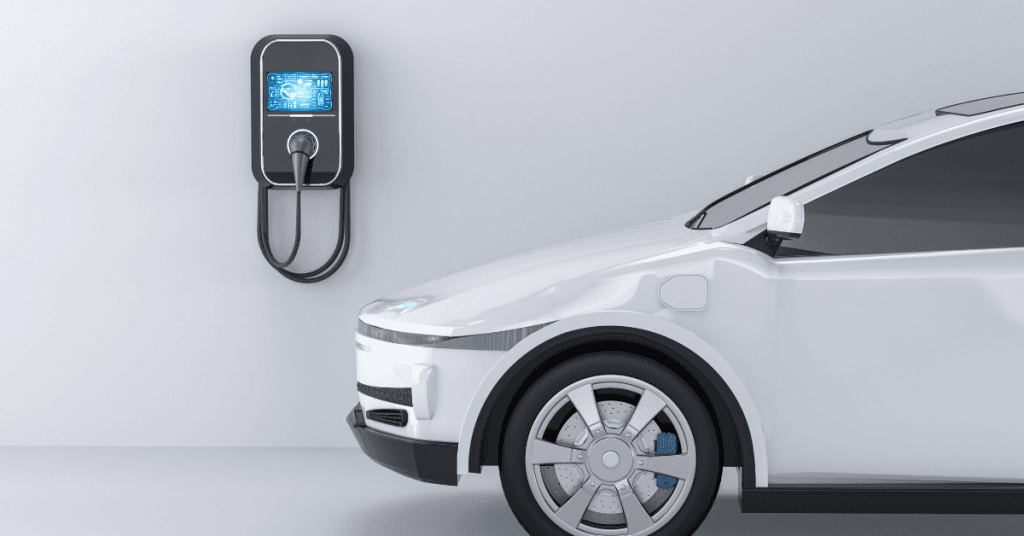
Choosing the Best EV Charger can feel overwhelming, especially with rapidly evolving technology and expanding charging options. Whether you drive a fully electric vehicle or a plug-in hybrid, the right charger will improve convenience, reduce charging times, and minimize long-term energy costs.
This guide breaks down today’s top EV charger types, key features you should look for, and expert tips to help you make a smart buying decision.
Read More:
- Are EV Charging Stations Profitable
- Can You Charge a Tesla in the Rain
- Tesla Battery Replacement Cost
- How To Use an EV Charger
- How To Install a Level 2 EV Charger at Home
- Can I Use My Dryer Outlet To Charge My EV
Types of EV Chargers
Level 1 Chargers
- Pros: No installation required, lowest cost.
- Cons: Very slow charging—typically 3–5 miles of range per hour.
- Best for: Plug-in hybrids or drivers with minimal daily mileage.
Level 2 Chargers
Level 2 chargers run on 240 volts—similar to electric dryers and ovens.
- Pros: Fast charging (20–40 miles per hour), ideal for home use.
- Cons: Requires a dedicated 240-volt circuit and professional installation.
- Best for: EV owners who charge daily or overnight.
DC Fast Chargers
These commercial-grade stations deliver extremely rapid charging.
- Pros: Charge up to 80% in 20–40 minutes.
- Cons: Very expensive, not suited for home installation.
Top Features to Look for in an EV Charger
1. Charging Power (kW)
Higher kilowatts mean faster charging. Most home chargers are 7kW–12kW. Ensure your vehicle’s onboard charger supports the output.
2. Connector Type
In North America, J1772 is standard for Level 1 and Level 2 charging.
Newer EVs increasingly support the NACS (Tesla-style) connector. Many chargers now include interchangeable connectors.
3. Smart Charging Capabilities
Wi-Fi–enabled chargers offer:
- Scheduled charging (to use off-peak electricity)
- Energy tracking
- Remote start/stop
- Integration with solar systems and smart home platforms
4. Cable Length and Durability
Longer cables (20–25 ft) provide greater flexibility for driveway or garage layouts. Look for weather-resistant materials if the charger will be mounted outdoors.
5. Safety Certifications
UL or ETL certification ensures the charger meets safety standards for electrical equipment.
6. Installation Requirements

- How To Invest In EV Charging Stations
- How To Become a Certified EV Charger Installer
- How Long Do Tesla Batteries Last
- How Long Does It Take to Charge a Tesla
- How Much Does It Cost to Charge a Tesla
The Best EV Chargers Available Today
1. ChargePoint Home Flex
A highly rated smart charger with flexible power output (up to 50 amps). Known for an excellent mobile app, reliability, and compatibility with most EVs.
2. Tesla Wall Connector
Optimized for Tesla vehicles but increasingly offered with adapters for other brands. Delivers fast charging, clean aesthetics, and seamless home integration.
3. Emporia Level 2 Smart Charger
Affordable, feature-rich, and ideal for homes with solar power thanks to advanced energy-management capabilities.
4. Enel X JuiceBox 40
A durable, weatherproof smart charger with a strong app, Wi-Fi controls, and energy-saving scheduling. Good balance of speed and value.
5. Grizzl-E Classic
A rugged, simple, no-nonsense charger. Not heavy on smart features but extremely reliable and built for harsh climates.
How To Choose the Best Charger For Your Lifestyle
- Daily Drivers
If you commute regularly and rely on your EV for most trips, a Level 2 charger is essential. Look for at least 40 amps for consistent overnight charging.
- Homeowners with Solar
Consider a smart charger that integrates with solar energy monitoring to maximize renewable charging and reduce energy bills.
- Apartment or Condo Residents
A portable Level 2 charger with a NEMA plug can provide flexibility if hardwiring isn’t allowed.
- Businesses
Commercial-grade chargers with multiple ports, payment systems, and load-sharing technology are best for public or fleet use.
FAQ:
1. What is the Best EV Charger For Home Use?
Most EV owners prefer a 40–50 amp Level 2 smart charger such as ChargePoint Home Flex, Tesla Wall Connector, or JuiceBox.
2. How Long Does It Take To Charge an EV at Home?
With a Level 2 charger, most EVs charge from empty to full in 6–10 hours—perfect for overnight charging.
3. Do I Need a Professional To Install a Level 2 Charger?
Yes, in most cases. A licensed electrician ensures safe installation of a 240-volt circuit and compliance with electrical codes.
4. Can I Use a Tesla Charger For a Non-Tesla EV?
Many Tesla Wall Connectors now include support for the NACS standard. Adapters are also available depending on your vehicle.
5. Are Smart Chargers Worth It?
Yes. They help reduce energy costs, track usage, integrate with solar, and allow remote control—especially useful for managing off-peak charging.
6. How Much Does a Home EV Charger Cost?
Expect $400–$800 for the charger itself and $300–$1,500 for installation, depending on electrical upgrades needed.
7. Are Home EV Chargers Safe in Bad Weather?
Outdoor-rated chargers are designed to withstand rain, snow, heat, and freezing conditions. Look for a NEMA 4 enclosure rating.
8. Will a Level 2 Charger Increase My Electric Bill?
Charging does add cost, but many EV owners save money overall compared to gasoline. Charging during off-peak hours can significantly reduce electricity rates.
9. How Long Do EV Chargers Last?
Most home chargers last 7–10 years or more with proper installation and maintenance.