Electric Vehicles (EVs) are becoming mainstream, and understanding How To Use EV Charger is essential for new owners. While charging may feel unfamiliar at first, it’s actually simple once you know the available charger types, the steps involved, and best practices for safe, efficient use.
Know The Types of EV Chargers
Before plugging in, it helps to understand the three main charger levels:
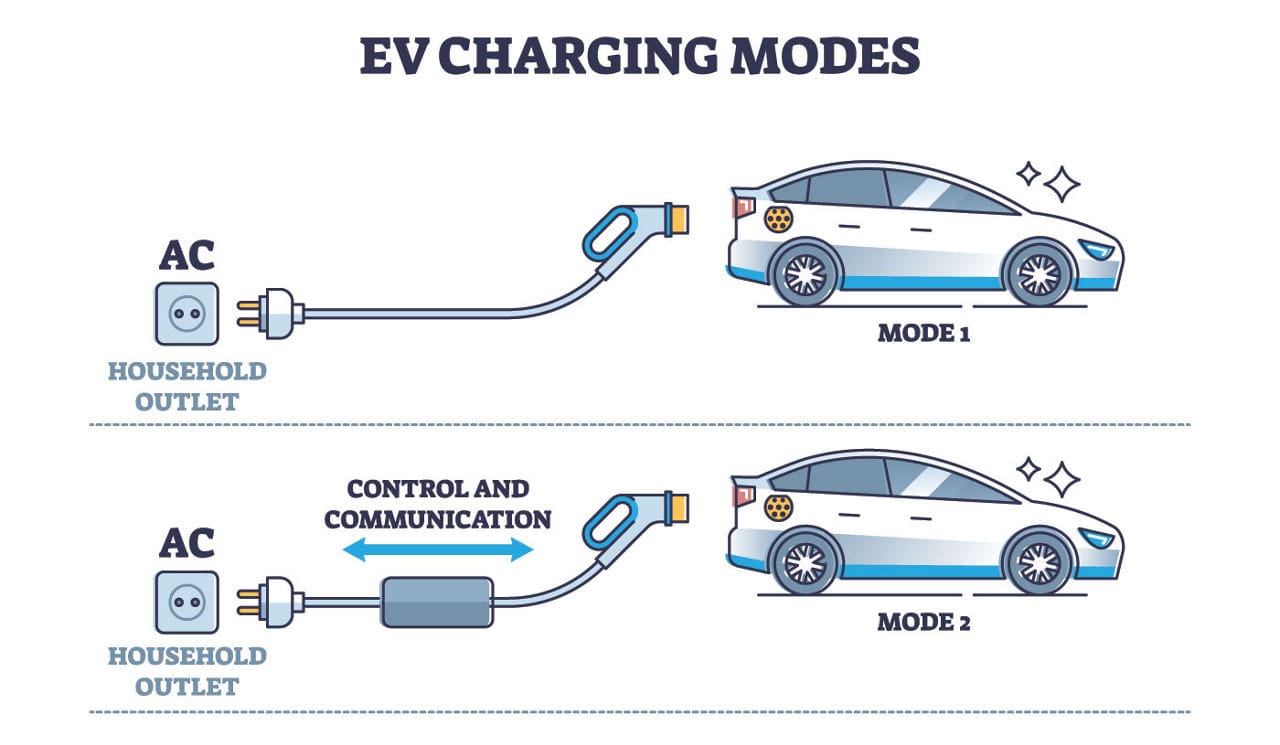
Level 1 (120V)
- Comes with most EVs.
- Plugs into a standard household outlet.
- Slow charging: usually adds 3–5 miles of range per hour.
- Best for overnight charging or low-mileage drivers.
Level 2 (240V)
- Installed at home or found in most public charging stations.
- Faster charging: adds 15–40 miles of range per hour.
- Ideal for daily EV use and home charging setups.
DC Fast Charging (Level 3)
- Commercial chargers along highways and major routes.
- Adds up to an 80% charge in 20–40 minutes.
- Not available for home installation.
- Ideal for long trips or quick top-ups.
Different EVs may support different connector types (such as CCS, NACS, or CHAdeMO), so verify compatibility before charging.
Steps To Use an EV Charger
Step 1: Park and Prepare
Position your EV so the charging port aligns comfortably with the charger. Turn the vehicle off if required; many EVs automatically prepare the battery when plugged in.
Step 2: Open Your Charging Port
Use the interior button, key fob, touchscreen, or press the port door, depending on your EV model.
Step 3: Activate the Charger (If Needed)
For public chargers, you may need to:
- Tap an RFID card,
- Use a charging network app, or
- Insert a credit card.
For home chargers, simply plug in—no activation is required.
Step 4: Plug In the Connector
Firmly insert the charger connector into your vehicle’s charging port until you hear a click or your EV displays a charging indicator.
Step 5: Monitor Charging Progress
Your EV dashboard or app will show:
- Current battery percentage
- Estimated charging time
- Charging speed (kW)
Fast chargers may slow down automatically after 80% to protect battery health.
Step 6: End Charging Safely
When finished:
- Stop the session in the app or on the charger (if required).
- Unplug the connector.
- Return the cable to its holder.
- Close your charging port.
Tips For Charging Efficiently and Extending Battery Life
Charge Between 20%–80%
Keeping your battery in the mid-range helps prolong long-term battery health.
Avoid Daily DC Fast Charging
Rely on Level 2 chargers for everyday use. Reserve DC fast charging for travel.
Precondition Your Battery
Most EVs allow you to heat or cool the battery while still plugged in, improving charging speed and efficiency—especially in extreme weather.
Use Scheduled Charging
Charging at night can reduce energy costs and relieve grid demand.
Keep Your Charger Clean
Wipe connectors occasionally and ensure cables aren’t stressed or kinked.
Frequently Asked Questions (FAQ)
1. How Long Does It Take To Charge an EV?
Charging time varies by charger type:
- Level 1: 8–24+ hours
- Level 2: 4–10 hours
- DC Fast Charging: 20–40 minutes to 80%
Battery size, temperature, and your vehicle’s onboard charger also affect speed.
2. Can I Use Any EV Charger With My Car?
Most EVs in North America support CCS or NACS connectors. Some older models use CHAdeMO. Always check your EV’s manual or charging port label for compatibility.
3. Is it Safe to Charge an EV in the Rain?
Yes. EV chargers and ports are weather-sealed and tested for outdoor use. It’s completely safe to charge in雨, snow, or humidity.
4. Can I Leave My EV Plugged In Overnight?
Yes. Modern EVs stop charging automatically when full. Leaving the car plugged in can help maintain battery conditioning, especially in cold climates.
5. Does Frequent Charging Harm the Battery?
Not if done properly. Slow and Level 2 charging are gentle on batteries. Regularly charging to 100% or relying heavily on fast chargers could accelerate wear, so moderate usage is recommended.
6. How Much Does Charging an EV Cost?
Costs vary by location and utility rates. As a general guide:
- Home Level 2: Often 3–6 times cheaper per mile than gasoline.
- Public Level 2: Usually a small hourly fee.
- Fast Charging: More expensive, often priced per kWh or per minute.
7. How Do I Find a Public EV Charging Station?
Use EV charging apps such as PlugShare, ChargePoint, EVgo, Electrify America, or Google Maps. You can filter by charger type, speed, availability, and network.
8. Should I Get a Home EV Charger?
Most daily drivers benefit from a Level 2 home charger. It provides faster, more convenient charging and often increases home resale value.
9. What Happens If I Run out of Battery on the Road?
Your EV will warn you well in advance. If you do completely deplete the battery, roadside assistance can tow your vehicle or bring a mobile charging unit, depending on service availability.
10. Do I Need to Unplug Immediately After Charging?
No. However, at public stations, it’s courteous to move your car promptly once you’re done to avoid idle fees or blocking others.