
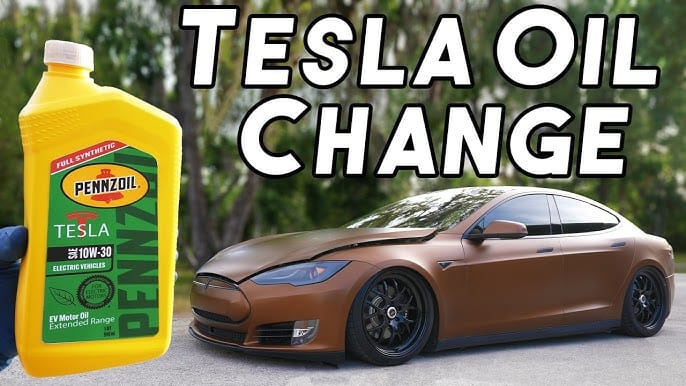
If you’re new to electric vehicles—or considering buying a Tesla—you might wonder whether Teslas need regular oil changes like gasoline cars. The short answer is no, Teslas do not need traditional engine oil changes. That’s because they don’t have internal combustion engines, which rely on motor oil to lubricate hundreds of moving metal components.
But that doesn’t mean Tesla vehicles are completely maintenance-free. Instead of engine oil, Teslas require a different set of maintenance tasks to keep the electric drivetrain, battery, and mechanical systems in top condition.
Below is a full breakdown of why Teslas don’t need oil, what fluids they do use, and the recommended maintenance schedule.
Read More:
- Are EV Charging Stations Profitable
- Can You Charge a Tesla in the Rain
- Tesla Battery Replacement Cost
- How To Use an EV Charger
- How To Install a Level 2 EV Charger at Home
- Can I Use My Dryer Outlet To Charge My EV
Why Teslas Don’t Need Oil Changes
Tesla uses electric motors, not gasoline engines. Electric motors have:
- Far fewer moving parts
- No pistons, valves, or crankshafts
- No internal combustion
Since they don’t generate heat through fuel combustion or metal-on-metal friction, there’s no engine oil to lubricate anything.
This is one of the biggest advantages of owning a Tesla: lower maintenance, fewer service appointments, and reduced long-term operating costs.

Do Teslas Use Any Oil at All?
Even though Teslas don’t have engine oil, they do use small amounts of lubricants elsewhere:
1. Differential / Gearbox Lubricant (Drive Unit Oil)
Teslas have sealed gearboxes inside the drive units. In some cases, Tesla may inspect or replace the lubricant during major service or after a repair.
But this is NOT a routine maintenance item like engine oil.
2. HVAC / Compressor Oil
The air-conditioning system contains oil, similar to any modern vehicle. This also doesn’t require regular replacement unless the system is opened or repaired.
These fluids are minimal and not something owners regularly maintain.
What Fluids Do Teslas Need Maintained?
While Teslas skip engine oil changes, there are still essential maintenance tasks:
1. Brake Fluid (Every ~4 Years)
Tesla recommends checking brake fluid every 2 years and replacing it if needed.
Because regenerative braking reduces brake wear, fluid usually lasts longer than in gas vehicles.
2. Battery Coolant (Every ~4 Years for Some Models)
Some Tesla models require coolant replacement approximately every four years.
This coolant regulates battery temperature for safety and longevity.
3. Windshield Washer Fluid (As Needed)
This is the main “fluid refill” you’ll likely deal with regularly.
Recommended Tesla Maintenance Schedule
Here is a simplified overview:
| Component | Service Interval |
|---|---|
| Brake Fluid | Every ~2–4 years |
| Battery Coolant | Typically, every 4 years (model-dependent) |
| Tire Rotation | Every 6,000–7,500 miles |
| Cabin Air Filter | Every 2 years (1 year for Model S/X) |
| HEPA Filter (if equipped) | Every 3 years |
| Wheel Alignment | As needed |
| HVAC Service (for heat pumps) | Every 2–6 years, depending on the model |
Compared to traditional cars that require oil changes every 3,000–7,500 miles, Teslas need far fewer maintenance visits.
- How To Invest In EV Charging Stations
- How To Become a Certified EV Charger Installer
- How Long Do Tesla Batteries Last
- How Long Does It Take to Charge a Tesla
- How Much Does It Cost to Charge a Tesla
What Happens if You Never Change Fluids in a Tesla?
Skipping maintenance won’t cause the catastrophic damage you’d see from ignoring engine oil changes in a gas car, but issues may still arise:
- Old brake fluid can absorb moisture → reducing braking performance
- Aging coolant can affect battery thermal management
- Dirty cabin filters reduce air quality and HVAC efficiency
Still, these are minor compared with the consequences of missing engine oil checks in a gasoline vehicle.
How Much Maintenance Cost Does a Tesla Save?
On average, Tesla owners save $300–$1,000 per year compared with gas vehicles due to:
- No engine oil changes
- No transmission fluid changes
- Less brake wear
- Fewer mechanical parts to service
Over 5–10 years, this adds up to substantial savings.
FAQ:
Here are the most common questions people search for—great for SEO and user clarity.
1. Does any Tesla model need oil changes?
No. No Tesla model requires traditional engine oil changes because they do not use combustion engines.
2. Do Teslas use oil in the motor?
Tesla’s electric motors are sealed and use a small amount of gear lubricant, but this is not user-serviceable and doesn’t require routine maintenance.
3. What about Tesla drive unit oil changes?
Occasionally, Tesla service may inspect or replace the drive unit lubricant during repair or warranty work.
This is not a regular maintenance item.
4. What fluids do Teslas actually need?
- Brake fluid
- Battery coolant
- Windshielthe d washer fluid
- HVAC refrigerant and oil (rarely serviced)
5. How much does a Tesla brake fluid change cost?
Typically $100–$150, depending on the service center.
6. How often do Teslas need maintenance?
Most routine tasks are every 2–4 years, not every few months like gas cars.
7. Do Teslas need oil for their battery?
No. Tesla batteries use liquid coolant, not oil.
8. Can I change any Tesla fluids myself?
You can refill the washer fluid. Other fluids require Tesla-certified service for safety reasons.
9. Does regenerative braking reduce maintenance?
Yes. Since Teslas use regenerative braking to slow the vehicle, brake pads and rotors last much longer.
10. Are Teslas cheaper to maintain overall?
Yes. Most owners spend less than half of what they would on a gas car due to fewer moving parts and no oil changes.
Conclusion
Teslas don’t require engine oil changes, and that’s one of the biggest advantages of electric vehicles. Instead, they rely on a much simpler maintenance schedule focused on brake fluid, battery coolant, filters, and tires. Overall, Tesla ownership is cleaner, cheaper, and more convenient because of reduced routine servicing.