

Hybrid Vehicles have become increasingly popular as drivers look for ways to save fuel, reduce emissions, and enjoy the benefits of electric power without committing fully to an EV. But one of the most common questions people ask is: Do you have to charge a hybrid?
The answer depends on the type of hybrid you own. While some hybrids require plugging in for optimal performance, others charge themselves automatically and never need to be connected to a charger.
Understanding the difference is essential—not only for vehicle ownership but also for deciding which hybrid type fits your lifestyle.
Read More:
- Are EV Charging Stations Profitable
- Can You Charge a Tesla in the Rain
- Tesla Battery Replacement Cost
- How To Use an EV Charger
- How To Install a Level 2 EV Charger at Home
- Can I Use My Dryer Outlet To Charge My EV
Types of Hybrids and Whether They Need Charging
Standard Hybrid (HEV) – No Plug Required
Standard hybrids, also known as Hybrid Electric Vehicles (HEVs), include well-known models like the Toyota Prius, Honda Accord Hybrid, and Ford Escape Hybrid.
How they work:
- The gasoline engine and electric motor work together.
- The battery recharges automatically through regenerative braking and the gas engine.
- You do NOT need to plug in a standard hybrid.
Ideal for: Drivers who want better fuel economy without changing their driving habits.
Plug-In Hybrid (PHEV) – Charging Optional but Beneficial
Plug-in hybrids, such as the Toyota RAV4 Prime, Honda CR-V PHEV, and Hyundai Tucson PHEV, have larger batteries and can run on electric power alone for a short distance.
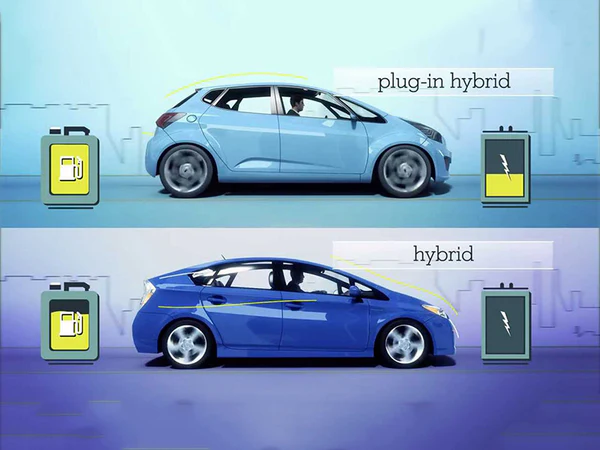
How they work:
- They offer an electric-only driving mode, often between 20 and 50 miles.
- You can drive them without ever plugging in, because they still have a gasoline engine.
- However, charging a PHEV allows you to maximize fuel savings and performance.
Ideal for: Commuters who want EV-like driving with the security of a gas engine.
Mild Hybrid (MHEV)
Mild hybrids use a small electric motor to assist the engine and improve efficiency.

How they work:
- They cannot drive on electric power alone.
- They regenerate energy automatically.
- No external charging is possible or required.
Ideal for: Drivers who want slightly better efficiency without paying for a full hybrid system.
Do You Need to Charge a Plug-In Hybrid?
Even though charging is optional, doing so is highly recommended if you own a PHEV. Charging provides:
- Reduced fuel costs (electricity is usually cheaper than gas)
- Lower emissions
- More power and smoother driving
- Access to electric-only mode, perfect for short trips
If you never charge a PHEV, it behaves like a traditional hybrid—still efficient, but not as cost-effective as when charged regularly.
- How To Invest In EV Charging Stations
- How To Become a Certified EV Charger Installer
- How Long Do Tesla Batteries Last
- How Long Does It Take to Charge a Tesla
- How Much Does It Cost to Charge a Tesla
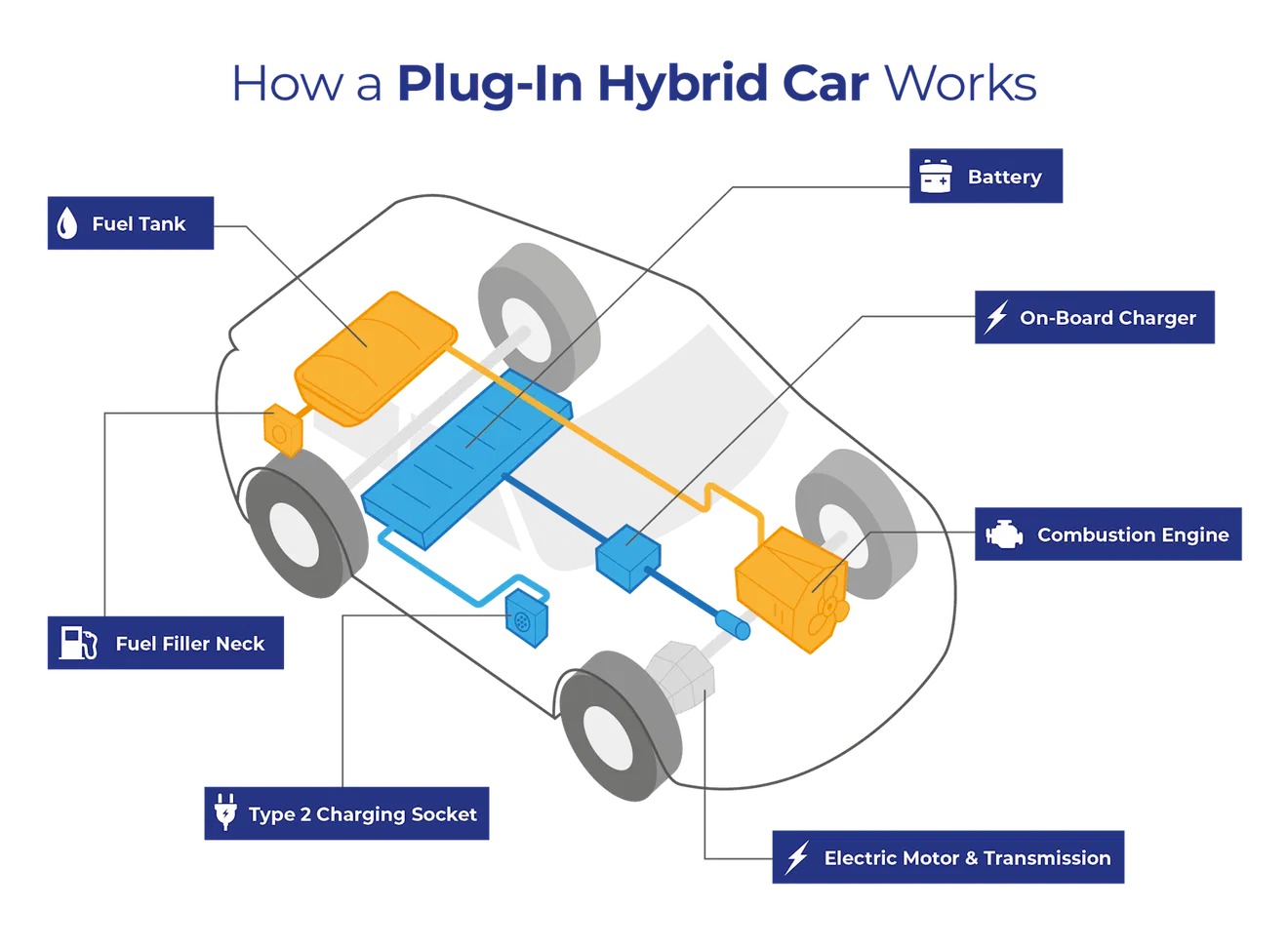
How Do Plug-In Hybrids Charge?
PHEVs can charge in several ways:
Level 1 Charging (120V – Home Outlet)
- No special equipment needed
- Adds about 3–6 miles of range per hour
- Ideal for overnight charging
Level 2 Charging (240V – Home or Public)
- Requires a home charger installation or a public station
- Adds 10–25 miles of range per hour
- Best for regular charging and short turnaround times
Regenerative Braking
Even without plugging in, the vehicle still recaptures energy during braking.
Benefits of Hybrids—Charged or Not
Regardless of the type, hybrids offer multiple advantages:
- Better fuel economy
- Reduced tailpipe emissions
- Lower maintenance costs
- Quiet, smooth performance
- Less dependency on gasoline
PHEVs offer additional benefits when charged, such as near-silent EV driving and dramatically reduced fuel usage.
FAQ:
Do all hybrids need to be charged?
No. Only plug-in hybrids (PHEVs) are designed to be charged, and even then, charging is optional. Standard hybrids (HEVs) and mild hybrids (MHEVs) recharge themselves while driving.
What happens if you don’t charge a plug-in hybrid?
Nothing harmful. A PHEV simply operates like a regular hybrid, using gasoline more often. You’ll still get good fuel economy, but you won’t maximize the electric-only benefits.
Can you drive a hybrid without a battery?
No. Hybrids rely on their high-voltage batteries for essential functions. Even if you don’t charge them, the battery must be operational.
How long does it take to charge a plug-in hybrid?
- Level 1 (120V): 4–12 hours
- Level 2 (240V): 1–4 hours
Charging time depends on battery size.
Is a plug-in hybrid worth it if I don’t plan to charge it?
It can be, but you won’t benefit from the electric driving range. If you never plan to charge, a regular hybrid may be more cost-effective.
Do plug-in hybrids save money?
Yes—especially if you charge at home. Driving on electricity can significantly reduce fuel costs.
Do hybrids charge while driving?
Yes. All hybrid types—including PHEVs—use regenerative braking and the gasoline engine to recharge the battery while driving.
Can I charge a hybrid at home?
Yes. Standard home outlets can charge plug-in hybrids, though slowly. Many drivers install Level 2 chargers for faster charging.
What’s the difference between a hybrid and a plug-in hybrid?
A standard hybrid doesn’t plug in and relies on self-charging, while a plug-in hybrid has a larger battery that can be charged from an outlet for extended electric driving.
Do hybrids work well in cold weather?
Yes, but cold temperatures can reduce electric efficiency. Hybrids still operate normally using the gas engine when needed.
Conclusion
So, do you have to charge a hybrid?
- No for standard hybrids and mild hybrids.
- Yes and no for plug-in hybrids—charging is optional, but highly beneficial.
Choosing the right hybrid depends on your driving habits, access to charging, and desire for electric-only capability. Regardless of the type, hybrids offer a smart blend of efficiency, convenience, and lower environmental impact.