

As electric vehicles continue to rise in popularity, one of the most common questions prospective and current Tesla owners ask is: How much does it cost to replace a Tesla battery? Since the battery pack is the most expensive component in any EV, understanding replacement cost, longevity, warranties, and maintenance can help drivers make informed decisions.
While Tesla batteries are engineered to last well over a decade, all lithium-ion batteries eventually degrade. Knowing what to expect financially and practically can offer peace of mind.
Typical Tesla Battery Replacement Cost
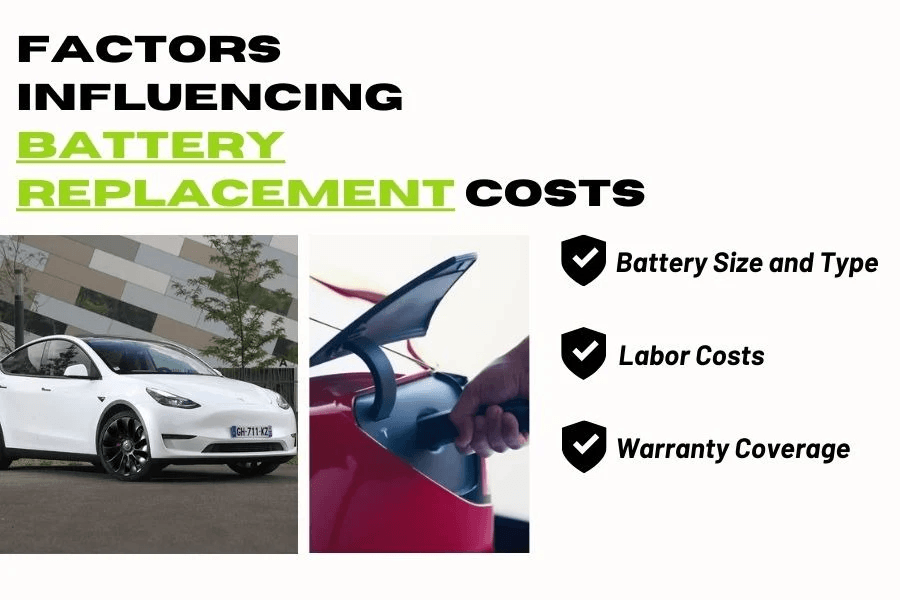
Tesla battery replacement costs vary depending on the model, battery size, and labor. As of recent estimates:
- Model 3: $12,000–$16,000
- Model Y: $12,000–$17,000
- Model S: $15,000–$23,000
- Model X: $15,000–$25,000
These numbers typically include parts and labor. Labor alone may cost $1,000–$3,000, depending on the service center and complexity of the job.
| Tesla Model | Battery Capacity (kWh) | Estimated Replacement Cost (USD) |
| Model 3 RWD | 50-57.5 | $5,000 – $7,000 |
| Model 3 Long Range AWD | 75 | $7,000 – $10,000 |
| Model 3 Performance | 75 | $7,000 – $10,000 |
| Model S | 85-100 | $12,000 – $15,500 |
| Model S Plaid | 100 | $12,000 – $15,500 |
| Model X | 85-100 | $12,000 – $15,500 |
| Model X Plaid | 100 | $12,000 – $15,500 |
| Model Y Long Range AWD | 75 | $7,000 – $10,000 |
| Model Y Performance | 75 | $7,000 – $10,000 |
Why Are Tesla Batteries Expensive to Replace?
Tesla uses high-density lithium-ion battery packs that include thousands of cells, advanced thermal management systems, structural casing, and sophisticated electronics. Replacement requires specialized equipment and certified technicians, all of which contribute to the price.
How Long Tesla Batteries Typically Last
Tesla batteries are known for their durability. Most owners experience 5–10% degradation over 100,000–150,000 miles, which is relatively minimal.
Tesla’s warranty gives insight into expected longevity:
- Model 3 / Model Y (Standard Range): 8 years or 100,000 miles.
- Model 3 / Model Y (Long Range & Performance): 8 years or 120,000 miles.
- Model S / Model X: 8 years or 150,000 miles.
Tesla guarantees at least 70% battery capacity during the warranty period.
Many Tesla owners report their batteries lasting over 300,000 miles, and some early Model S vehicles have surpassed 500,000 miles with their original battery pack—though with some degradation.
Signs You May Need a Battery Replacement
Tesla batteries rarely fail suddenly. Instead, degradation tends to be gradual. However, certain symptoms could indicate a failing or faulty pack:
- Noticeable and rapid loss of driving range
- Charging irregularities or extremely slow charging
- Overheating warnings
- Inability to charge beyond a certain percentage
- Diagnostic error messages that reference the “High Voltage Battery.”
If you see these signs, Tesla service can run diagnostics to confirm whether repair or replacement is required.
Repair vs. Full Replacement: Not All Issues Require a New Pack
It’s important to note that a full battery replacement isn’t always necessary. Many battery issues stem from faulty modules or components, not the entire pack. In some cases:
- Module replacement may cost $2,000–$5,000
- Coolant or wiring repairs might cost even less
- Firmware updates sometimes resolve charging or range inconsistencies
Tesla technicians will determine whether repair or full replacement is the best option.
Can You Reduce the Cost of Tesla Battery Replacement?
Here are a few strategies to manage or reduce long-term battery costs:
1. Follow Smart Charging Habits
- Keep daily charging between 20%–80%.
- Avoid frequent fast charging unless necessary.
- Store the vehicle in moderate temperatures.
2. Preserve Battery Health
Driving efficiently, maintaining tires, and avoiding aggressive acceleration or braking can extend battery longevity.
3. Use Tesla Warranty Coverage
If your battery falls below 70% capacity during the warranty period, Tesla will repair or replace it at no cost.
4. Consider Third-Party EV Repair Shops
Some independent specialists now offer Tesla battery diagnostics and repairs, often at lower prices. However, quality and warranty support vary, so research thoroughly.
Are Tesla Batteries Worth Replacing?
In most cases, yes—especially for higher-value models like the Model S or Model X. Replacing a battery essentially gives your car a “second life,” often adding another 150,000–300,000 miles of potential use. Given that Teslas hold their value and have fewer mechanical issues than gas vehicles, replacement can be economically reasonable for long-term owners.
For lower-priced used Teslas, owners may weigh replacement costs against the vehicle’s resale value. But with technology improving and more independent repair networks emerging, future battery replacement prices may decline.
FAQ: Tesla Battery Replacement Cost
1. How Much Does It Cost To Replace a Tesla Battery?
Depending on the model, expect to pay between $12,000 and $25,000, including parts and labor.
2. How Often Do Tesla Batteries Need To be Replaced?
Most Tesla batteries last 300,000–500,000 miles. For many owners, this can mean 10–20+ years of use before replacement becomes necessary.
3. Does Tesla Cover Battery Replacements Under Warranty?
Yes. Tesla offers an 8-year battery warranty with mileage limits and guarantees at least 70% capacity retention during that period.
4. What are the Cheapest Tesla Models To Replace Batteries For?
Typically, Model 3 and Model Y battery replacements are the most affordable.
5. Can I Replace a Tesla Battery with a Refurbished One?
Yes. Tesla and some third-party shops offer refurbished or remanufactured packs, which may reduce costs, though availability can vary.
6. What Causes Tesla Batteries To Degrade?
Factors include high charging cycles, extreme temperatures, frequent fast charging, and aggressive driving habits.
7. Can Tesla Battery Replacements Be Financed?
Tesla service centers and some third-party shops may offer financing options for battery repairs or replacements.
8. Are Tesla Batteries Recyclable?
Yes. Tesla recycles nearly all components of its battery packs, recovering valuable materials like nickel, lithium, and cobalt.
9. Is it Safe to Drive with a Degraded Battery?
Mild degradation is normal. However, severe capacity loss or diagnostic warnings may indicate safety issues and require professional inspection.
10. Will Battery Replacement Prices Go Down in the Future?
Likely yes. As battery manufacturing scales and technology improves, replacement costs are expected to gradually decrease.