
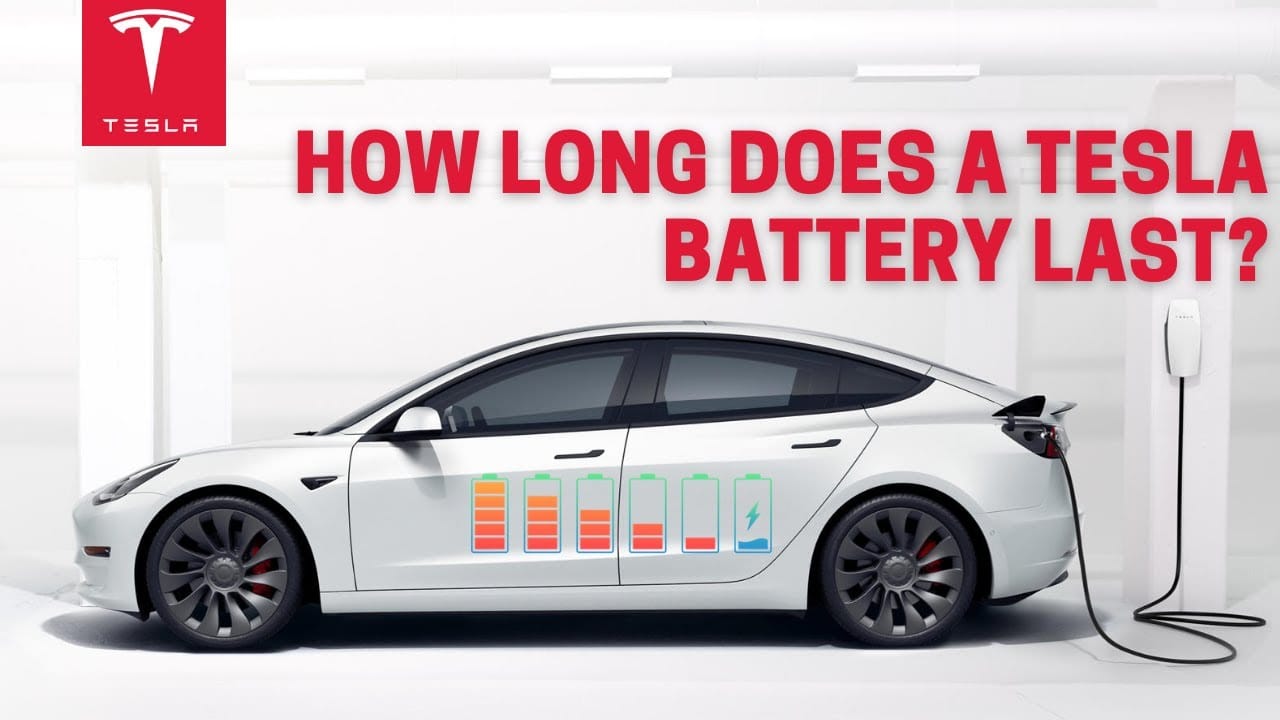
Tesla has become a global leader in electric vehicle (EV) innovation, and one of the most common questions potential buyers ask is: How long do Tesla batteries actually last?
Understanding battery longevity is essential because the battery is one of the most valuable components in an EV. Fortunately, Tesla batteries are designed for durability, backed by strong warranties and real-world performance data.
In general, Tesla batteries last between 300,000 and 500,000 miles, or roughly 15 to 20 years, before they show significant signs of degradation. Most drivers will never need to replace the battery during the vehicle’s lifespan.
Battery Lifespan by Tesla Model
Although all Tesla vehicles use lithium-ion technology, their ranges and degradation rates vary slightly.
Model 3
- Expected lifespan: 300,000–500,000 miles.
Model Y
- Expected lifespan: 300,000–500,000 miles
- Shares many components with the Model 3, resulting in similar real-world longevity.
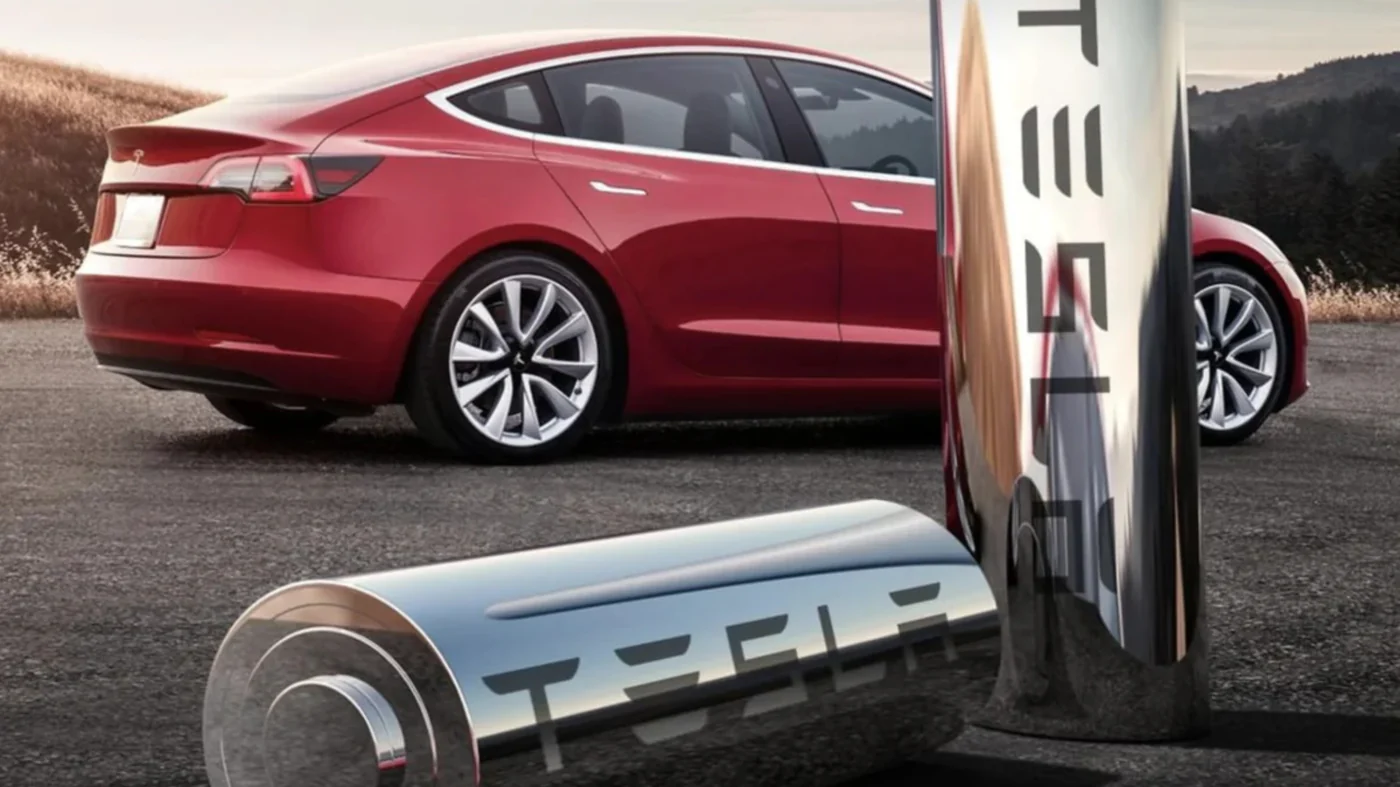
Model S & Model X
- Expected lifespan: 300,000–400,000 miles
- Larger, older battery designs may show slightly higher degradation over time.
What Affects Tesla Battery Life?
Several factors influence how long a Tesla battery lasts:
1. Charging Habits
Tesla recommends:
- Daily charging limit of 80–90% for normal use
- Charging to 100% only for long trips
Frequent fast charging (Supercharging) can increase degradation slightly because of the high heat generated.
2. Driving Conditions
Extreme temperatures—both hot and cold—can reduce battery efficiency. However, Tesla’s use thermal management systems that protect the battery as much as possible.
3. Mileage
Like any battery, degradation happens naturally over time. However, Tesla batteries degrade slowly, usually about 1–2% per year in real-world use.
4. Software & Battery Management
Tesla employs one of the most advanced Battery Management Systems (BMS) on the market to:
- Regulate temperature
- Prevent overcharging
- Distribute power evenly
This significantly extends battery life compared to older EV technologies.
How Much Does a Tesla Battery Replacement Cost?
Although replacements are uncommon, it’s helpful to know the cost:
- $12,000–$20,000 for most models
- Older Model S/X packs can reach $22,000+
Prices include parts and labor, and costs continue to decline as EV technology improves.
Tesla Battery Warranty
Tesla backs its batteries with strong warranties:
| Model | Battery Warranty | Guaranteed Capacity |
|---|---|---|
| Model 3 / Y RWD | 8 years / 100,000 miles | 70% |
| Model 3 / Y Long Range | 8 years / 120,000 miles | 70% |
| Model S / X | 8 years / 150,000 miles | 70% |
If the battery drops below 70% capacity within the warranty period, Tesla will repair or replace it.
How To Make Your Tesla Battery Last Longer
Follow these best practices to extend battery lifespan:
1. Avoid Charging To 100%
Use 100% only when necessary. Keeping the battery in the 20%–80% range is ideal for daily use.
2. Minimize Fast Charging
Superchargers are great for long trips, but frequent use can accelerate battery wear. Home charging is gentler.
3. Protect the Car From Extreme Temperatures
Parking in a garage or shaded area reduces thermal stress on the battery.
4. Drive Smoothly
Rapid acceleration and aggressive driving increase heat and reduce efficiency.
5. Keep Software Updated
Tesla regularly releases updates that refine battery longevity and thermal management.
FAQ:
1. How Many Years Do Tesla Batteries Last?
Most Tesla batteries last 15–20 years, depending on driving habits and climate.
2. How Many Miles can a Tesla Battery Last Before Needing Replacement?
Between 300,000 and 500,000 miles for most models.
3. Do Tesla Batteries Degrade Over Time?
Yes, but slowly. Most Tesla owners see around 5–10% degradation after 100,000 miles.
4. How Much Does it Cost to Replace a Tesla Battery?
Generally $12,000–$20,000, depending on the model and battery size.
5. Can a Tesla Run with a Degraded Battery?
Absolutely. Even with reduced capacity, the vehicle operates normally—just with a shorter range.
6. Does Supercharging Damage the Battery?
Not exactly, but using fast chargers too often can increase wear, so Tesla recommends regular home charging.
7. Should I Charge My Tesla to 100% Daily?
No. Daily charging should be set to 80–90% unless taking a long trip.
8. How Fast Do Tesla Batteries Degrade Annually?
Most degrade 1–2% per year, meaning they retain the majority of their capacity even after a decade.
9. What Happens To Old Tesla Batteries?
Tesla recycles old battery packs and reuses materials, reducing waste and lowering future production costs.
10. Will Tesla Batteries Improve in the Future?
Yes—Tesla continues to innovate with new technologies like the 4680 cell, which promises even longer lifespan and lower cost.