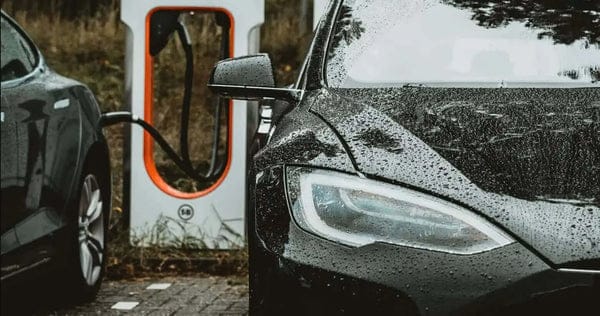
Many new EV owners wonder whether it’s safe to charge a Tesla during bad weather. The short answer is yes — you can safely charge a Tesla in the rain, including at home chargers, Destination Chargers, and Superchargers.
Tesla vehicles and charging equipment are engineered with extensive safety measures that allow them to operate in wet conditions without risking electric shock or damage.
Below is everything you need to know about how Tesla ensures weather-safe charging, plus helpful tips and an SEO-friendly FAQ.
Why Charging in the Rain Is Safe
1. Weather-Sealed Connectors
Tesla charging connectors are equipped with sealing mechanisms that prevent water from entering sensitive electrical components.
2. Automatic Power Regulation
A Tesla will not allow power to flow until:
- The connector is fully inserted
- Communication between the charger and the car is confirmed
- Safety systems detect no faults
If water or debris interferes with the connection, the system stops charging automatically.
3. Ground Fault Protection
Tesla chargers include GFCI (Ground Fault Circuit Interrupter) protection, which instantly cuts power in the event of irregular electrical behavior—similar to safety outlets in kitchens and bathrooms.
4. Supercharger Weather Resistance
Tesla Superchargers are industrial-grade and designed for continuous outdoor use. They function safely in:
- Rain
- Snow
- High humidity
- Extreme temperatures
You do not need to take special precautions.
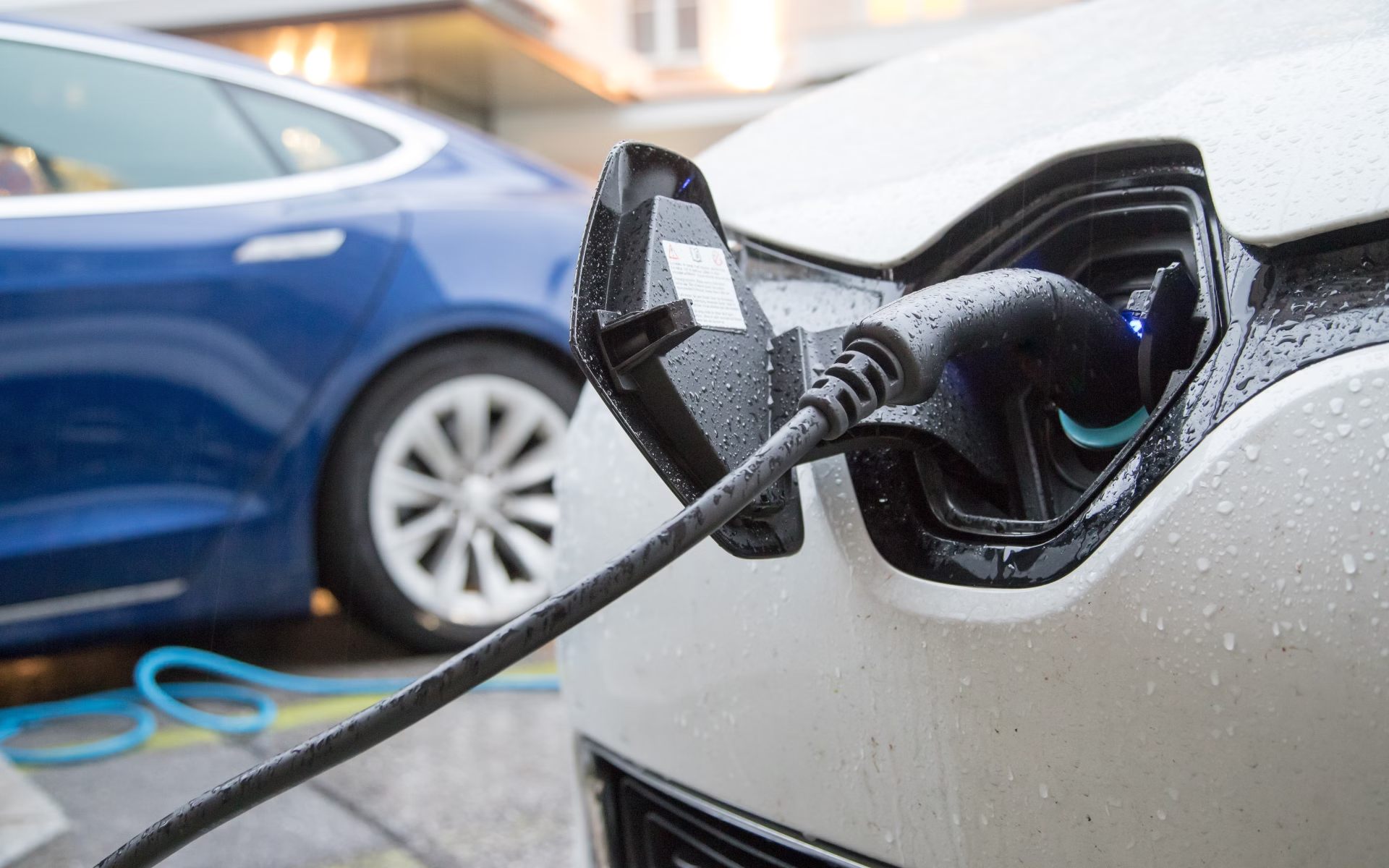
Charging a Tesla at Home in the Rain
Charging at home in wet weather is also safe as long as your equipment is installed correctly.
Tesla Wall Connector
The Wall Connector is IP-rated for outdoor use. It is built to withstand:
- Rain
- Wind
- Dust
- Temperature swings
Mobile Connector
The Mobile Connector is also safe for outdoor use, but not meant to be left sitting in water. You should:
- Keep the charging brick elevated if possible
- Avoid connecting or disconnecting it in standing water
- Ensure the outlet has proper weatherproofing
Best Practices For Charging a Tesla in Wet Weather
Although charging is safe, a few simple habits will improve safety and equipment longevity:
✔ 1. Keep Chargers Off the Ground
Water can pool on driveways, so mount the charger brick or use a holder when possible.
✔ 2. Avoid Charging During Electrical Storms
Rain is fine — lightning is the real hazard. It won’t usually damage a Tesla, but you may reduce risk by delaying charging during intense thunderstorms.
✔ 3. Inspect the Connector
If the connector is visibly wet, simply shake off excess water before plugging in. The car will still prevent unsafe charging, but this helps maintain the hardware.
✔ 4. Use Proper Outdoor Outlets
If using the Mobile Connector, ensure your outlet:
- Is GFCI-protected
- Has an outdoor-rated cover
- It is installed by a licensed electrician
Do Teslas Ever Get Damaged by Charging in the Rain?
Instances of damage caused by rain are extremely rare because multiple safety systems shut down charging long before a dangerous condition develops.
Most issues come from:
- Poor-quality non-Tesla third-party chargers
- Damaged outlets or extension cords (never use extension cords for EV charging)
- Improperly installed electrical equipment
Using Tesla-approved hardware and certified installation virtually eliminates risk.
FAQ
1. Can You Charge a Tesla in the Rain?
Yes. Tesla chargers and vehicles are designed to operate safely in wet conditions.
2. Can Water Cause the Charger To Short-Circuit?
The charging system will not activate if unsafe moisture is detected. Built-in GFCI protection also cuts power instantly if any fault occurs.
3. Is it Safe to Supercharge During Heavy Rain?
Yes. Tesla Superchargers are weatherproof and built for outdoor use year-round.
4. What if the Charging Handle is Wet?
A wet handle is not harmful. The charging pins are recessed and sealed. Simply shake off excess water before plugging in.
5. Can I Charge My Tesla During a Thunderstorm?
Technically, yes, but it’s best to avoid charging during lightning activity to protect home electrical systems and avoid unpredictable surges.
6. Is it Safe to Use the Tesla Mobile Connector in the Rain?
Yes, as long as the outlet is protected and the charging brick is not submerged or sitting in standing water.
7. Will Rain Impact Charging Speed?
No. Charging speeds depend on battery temperature, charger power level, and state of charge—not rain.
8. Can Snow or Ice Affect Charging Safety?
Tesla chargers work in snow as well, but you should clear ice from the connector to ensure a proper seat.
9. Do I Need to Dry the Charging Port?
No. The port is sealed, and the system self-checks before allowing current to flow.
10. Can Saltwater or Floods Damage Charging Equipment?
Yes. Saltwater and flood conditions can corrode or short electrical components. Do not charge if the equipment has been submerged.
Conclusion
Charging a Tesla in the rain is completely safe thanks to the company’s advanced engineering and built-in safety protections. Whether you’re using a home charger or a Supercharger station, Tesla has designed its equipment to withstand wet conditions without risk to you or your vehicle.
Follow the simple best practices above, and you can confidently plug in your EV any time the weather turns.