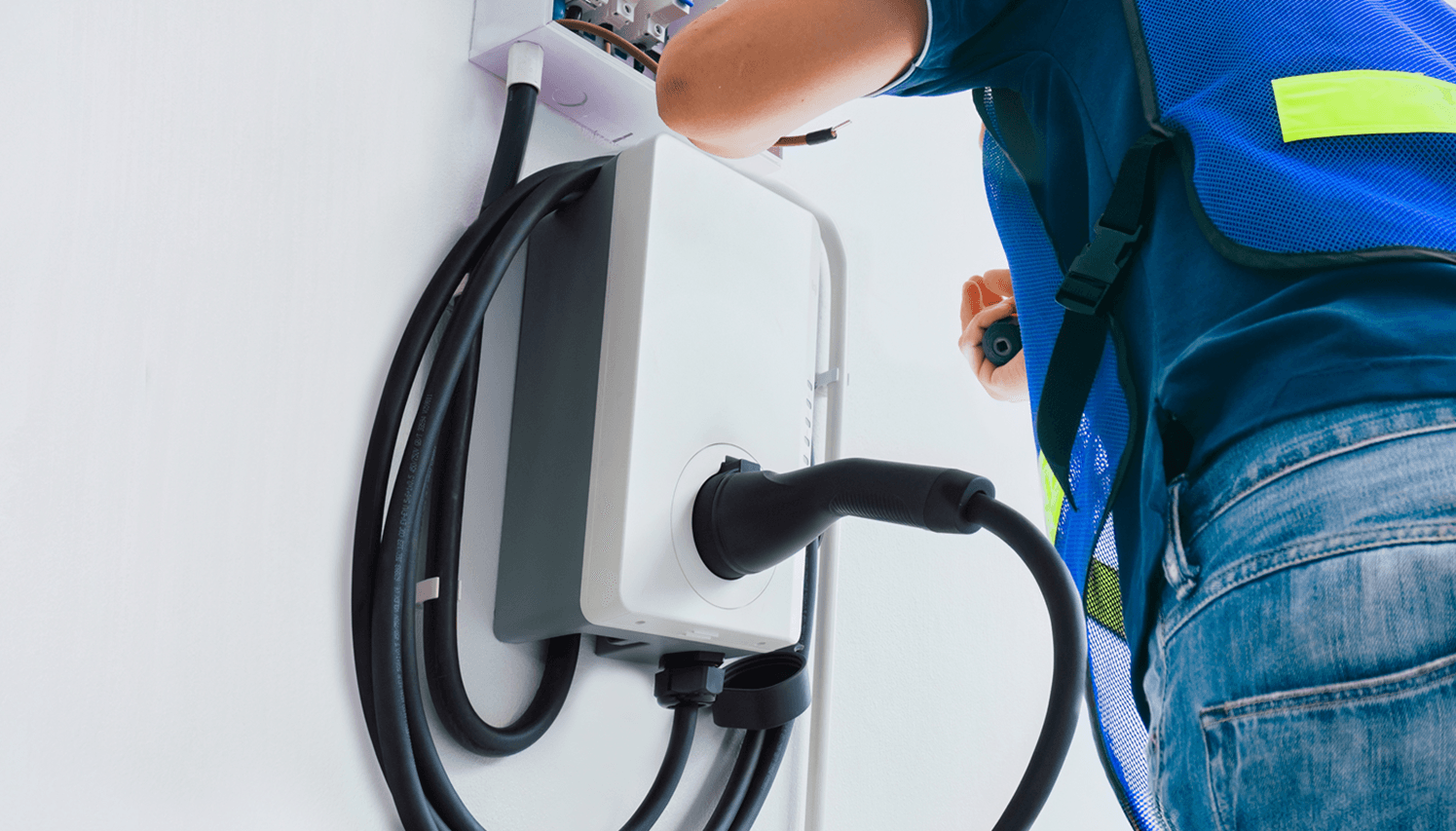
The rapid growth of electric vehicles has created a strong demand for qualified EV charger installers. Homeowners, businesses, and fleet operators all need certified professionals who can install, maintain, and troubleshoot Level 1, Level 2, and DC fast-charging stations.
Whether you’re an experienced electrician or someone entering the field, earning EV charger installation certification can open the door to a profitable and future-proof career.
Below is a clear roadmap to becoming a certified EV charger installer.
1. Meet the Basic Prerequisites
Most EV charger certifications require a foundation in electrical work. Requirements vary by region, but generally include:
- Being a licensed electrician (Journeyman or Master in many areas)
- Understanding NEC (National Electrical Code) requirements or your country’s equivalent
- Experience with residential or commercial electrical systems
If you do not yet have an electrical license, your first step is to complete approved electrical trade training and apprenticeship hours.
2. Choose a Recognized Training Provider
Multiple reputable organizations are offering training on EV charger installation. Common options include:
- Manufacturer-specific training (e.g., Tesla, ChargePoint, ABB, Enphase)
- Industry associations such as EVITP (Electric Vehicle Infrastructure Training Program)
- Trade schools and technical institutes offering EVSE installation courses
When selecting a provider, ensure the program includes:
- Hands-on installation practice
- Safety and risk mitigation training
- Code compliance (grounding, GFCI, load calculations)
- Networking and smart charger configuration
Certification from well-known providers increases your credibility and job opportunities.
3. Complete Safety, Code, and Technical Training
A high-quality EV installation program covers essential skills such as:
- Conducting site assessments
- Calculating panel capacity and load management
- Selecting appropriate EVSE equipment
- Running conduit and wiring safely
- Configuring Wi-Fi/Bluetooth-enabled chargers
- Troubleshooting faults and communication errors
Many programs also emphasize OSHA standards and local permitting requirements.
4. Pass the Certification Exam
Most recognized programs require a written or practical exam. These tests assess:
- EV charging fundamentals
- Electrical theory and code compliance
- Installation best practices
- Safety protocols
Upon passing, you receive a certification card or digital credential that can be shown to employers or clients.
5. Register With Approved Installer Networks
Manufacturers often maintain a directory of certified professionals. Becoming an approved installer can bring you direct customer leads.
Examples:
- Tesla Certified Installer
- ChargePoint Installer Program
- Wallbox Partner Network
- Enphase Installer Network
Registration typically requires proof of certification, licensing, and insurance.
6. Maintain Compliance and Continuing Education
The EV industry evolves rapidly, so ongoing training is essential. Stay updated on:
- New charger technologies
- Updated electrical codes (e.g., NEC revisions)
- Local permitting changes
- Utility incentive programs
- Smart-grid and load management systems
Some certifications require renewal every 2–3 years.
7. Build Your Business or Career
Once certified, you can pursue multiple career paths:
Employment Opportunities
- Electrical contractors
- Solar energy companies
- EVSE installation firms
- Utilities and municipal programs
- Commercial fleet companies
Entrepreneur Opportunities
- Start your own EV charger installation business
- Offer add-on services like panel upgrades, solar integration, or maintenance contracts
With EV adoption rising globally, certified installers are earning premium rates for residential and commercial projects.
Frequently Asked Questions (FAQ)
1. Do I need to be an Electrician to install EV Chargers?
In most regions, yes. EV charger installation involves high-voltage wiring and must meet strict electrical codes. Some states allow apprentices to assist under supervision, but certification typically requires being a licensed electrician.
2. How Long Does EV Charger Installation Training Take?
Courses range from 8 hours to several days, depending on the program. Manufacturer trainings are often shorter, while industry certifications like EVITP may take longer.
3. How Much Does it Cost to Become Certified?
Training costs vary widely—typically $200 to $1,000. Manufacturer programs may be free for approved partners, while comprehensive industry certifications generally cost more.
4. What Skills Do EV Charger Installers Need?
Key skills include electrical wiring, load calculations, familiarity with local codes, safety procedures, and the ability to configure smart charging equipment.
5. Is EV Charger Installation a Profitable Career?
Yes. With EV adoption accelerating, installers can earn $500–$2,500 per installation, depending on complexity. Commercial projects are even more lucrative.
6. Are There Different Certifications For Level 2 vs. DC Fast Chargers?
Yes. Level 2 EVSE certification is common for residential work, while DC fast-charging installation requires advanced training, a higher electrician class, and manufacturer approval due to the higher voltages involved.
7. Can I Install EV Chargers without Certification?
Most jurisdictions require licensed professionals, and many manufacturers won’t honor warranties if a charger is installed by an uncertified person. Certification also improves safety and reliability.
8. Do EV Charger Installers Need Insurance?
Yes. General liability insurance and electrical contractor insurance are typically required, especially for commercial work or if you join manufacturer networks.
9. How Do I Get Listed as a Tesla or ChargePoint Certified Installer?
You must complete their approved training, provide documentation of your electrical license and insurance, and apply through their installer portal.
10. Will EV Charger Installer Skills Remain in Demand?
Absolutely. Governments, businesses, and homeowners are rapidly expanding EV charging infrastructure. Industry reports project millions of new installations over the next decade.